The demand for electric vehicles (EVs), hybrid vehicles, and automotive motors continues to grow worldwide. To meet this demand, manufacturers must increase production capacity while maintaining high product quality and controlling manufacturing costs.
When planning a new factory or upgrading an existing production facility, many manufacturers face an important question:
Should they invest in a complete motor assembly line or purchase standalone machines?
The answer depends on production goals, budget, and future expansion plans. However, for medium- to large-scale manufacturing, a complete motor assembly line usually delivers greater long-term value.
This guide compares both approaches and explains which solution is best for mass production.
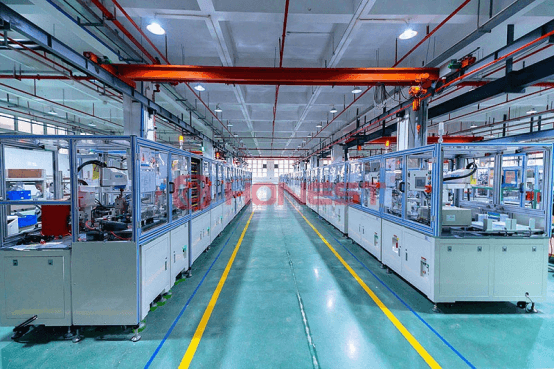
Understanding the Two Manufacturing Approaches
Before making an investment, it is important to understand the difference between a complete production line and individual machines.
What Is a Complete Motor Assembly Line?
A motor assembly line is a fully integrated manufacturing system that connects every production process into one automated workflow.
It combines multiple manufacturing stages, including:
· Component preparation
· Stator production
· Rotor assembly
· Motor assembly
· Product testing
· Quality inspection
· Data collection
· Material handling
Every process communicates with the next, creating a smooth and efficient manufacturing system.
What Are Standalone Machines?
Standalone machines are individual pieces of equipment that perform specific manufacturing tasks independently.
For example:
· Winding machine
· Press-fitting machine
· Screw tightening machine
· Testing machine
· Laser marking machine
Operators manually move products between machines or use simple transfer systems.
Although this approach requires lower initial investment, it often reduces production efficiency as production volume increases.
Comparing Complete Production Lines and Standalone Machines
1. Production Efficiency
Production efficiency is one of the biggest differences between the two approaches. A complete automated production system allows products to move automatically from one station to another without unnecessary delays.
This results in:
· Continuous production flow
· Faster cycle times
· Reduced waiting periods
· Higher daily output
· Better equipment utilization
With standalone machines, manual handling between processes slows production and increases idle time.
Winner: Complete Motor Assembly Line
2. Product Quality
Consistent quality is essential in automotive manufacturing. A complete motor assembly line uses automated positioning, machine vision, servo control, and intelligent inspection to ensure every motor is assembled using the same process.
Standalone machines often depend on manual loading and operator experience, increasing the possibility of production variations.
Integrated production lines also reduce:
· Assembly errors
· Missing components
· Incorrect positioning
· Product damage during transfer
Winner: Complete Motor Assembly Line
3. Labor Requirements
Manual production requires more operators for:
· Material handling
· Machine loading
· Product transfer
· Inspection
· Assembly
A complete automated production system significantly reduces labor dependency by automating repetitive tasks.
Benefits include:
· Lower labor costs
· Fewer production operators
· Reduced human error
· Improved workplace safety
Winner: Complete Motor Assembly Line
4. Product Traceability
Modern automotive manufacturers require complete production records.
A complete production line automatically records:
· Production batches
· Equipment parameters
· Process data
· Test results
· Product serial numbers
· Quality inspection records
This makes it easier to identify production issues and meet automotive quality standards.
Standalone machines usually require separate data collection, making traceability more complicated.
Winner: Complete Motor Assembly Line
5. Production Flexibility
Some manufacturers produce only one motor model, while others manufacture multiple products.
A well-designed motor manufacturing solution allows fast changeovers between different motor models using programmable automation and flexible tooling.
Standalone machines may require additional manual adjustments, resulting in longer setup times.
Modern production lines also support future equipment upgrades and production expansion.
Winner: Complete Motor Assembly Line
6. Initial Investment
Standalone machines usually require a lower initial investment.
For startups or manufacturers producing small batches, purchasing individual machines may be the most practical option.
However, as production demand grows, additional machines, labor, and material handling systems increase overall operating costs.
Although a complete production line requires a larger upfront investment, it typically delivers a faster return on investment through higher productivity and lower operating expenses.
Winner: Standalone Machines (Short-Term)
7. Long-Term Operating Costs
Looking only at equipment price can be misleading.
The true cost of manufacturing includes:
· Labor
· Maintenance
· Energy consumption
· Downtime
· Product defects
· Material waste
· Production efficiency
A complete automated production system reduces these ongoing costs by improving overall factory performance.
Over several years, integrated production lines usually offer a much lower cost per motor.
Winner: Complete Motor Assembly Line
Comparison Table of features of Complete Motor Assembly Line vs Standalone Machines
Feature | Complete Motor Assembly Line | Standalone Machines |
Production Speed | Excellent | Moderate |
Product Consistency | Excellent | Depends on operators |
Labor Requirement | Low | High |
Product Traceability | Complete | Limited |
Production Expansion | Easy | More Difficult |
Automation Level | High | Low to Medium |
Initial Investment | Higher | Lower |
Long-Term ROI | Higher | Moderate |
When Should You Choose a Complete Motor Assembly Line?
A complete motor assembly line is the best choice if you:
· Plan for mass production
· Manufacture automotive motors
· Need consistent product quality
· Want to reduce labor costs
· Require complete product traceability
· Plan to expand production in the future
· Want to support Industry 4.0 and smart manufacturing
When Are Standalone Machines Suitable?
Standalone equipment may be suitable if you:
· Produce small batches
· Have a limited budget
· Need only one manufacturing process
· Are building a pilot production line
· Plan to expand gradually over time
However, manufacturers should consider future production needs before making a purchasing decision.
Why Manufacturers Choose HONEST Automation
Choosing the right equipment is only part of building an efficient factory. Selecting the right automation partner is equally important.
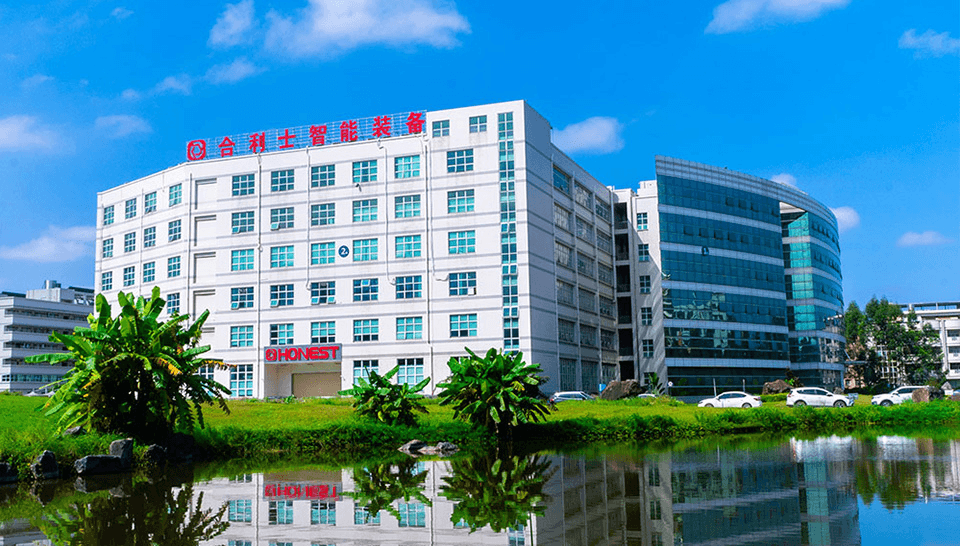
As a trusted motor manufacturing solution provider, HONEST Automation helps automotive motor manufacturers design and implement complete automated production systems tailored to their specific requirements.
The company offers customized solutions covering:
· Motor assembly lines
· Stator and rotor production equipment
· Winding machines
· Automated testing systems
· Intelligent inspection equipment
· Production line integration
· Smart manufacturing solutions
Rather than supplying individual machines, HONEST Automation develops integrated automation systems that improve production efficiency, product quality, and long-term manufacturing performance. The company also provides overseas installation, commissioning, operator training, and on-site technical support to ensure reliable operation throughout the equipment lifecycle.
Final Thoughts
Choosing between a complete motor assembly line and standalone machines depends on your production goals and long-term business strategy.
For low-volume manufacturing, standalone equipment can be a practical starting point. However, for OEMs, Tier 1 suppliers, and manufacturers planning large-scale production, a complete automated production system provides greater efficiency, better quality, lower operating costs, and stronger long-term returns.
By investing in the right motor manufacturing solution, manufacturers can build a scalable production system that supports future growth while remaining competitive in the rapidly evolving automotive industry.
Frequently Asked Questions (FAQs)
1. What is a motor assembly line?
A motor assembly line is an integrated production system that automates multiple manufacturing processes, including assembly, testing, inspection, and material handling, to produce electric motors efficiently.
2. What is an automated production system?
An automated production system uses robotics, intelligent equipment, machine vision, and digital controls to automate manufacturing processes, improving productivity and product consistency.
3. Are standalone machines suitable for mass production?
Standalone machines are suitable for small- or medium-scale production, but they often require more labor and manual handling. For mass production, integrated production lines are generally more efficient.
4. Why is a complete motor manufacturing solution better?
A complete motor manufacturing solution improves production efficiency, reduces labor costs, ensures product traceability, supports future expansion, and delivers more consistent product quality.
5. How does HONEST Automation support motor manufacturers?
HONEST Automation provides customized motor manufacturing solutions, including complete motor assembly lines, automated production systems, intelligent testing equipment, and comprehensive technical support to help manufacturers achieve efficient and scalable production.
If you are looking for automated mass production solutions for automotive brushed and brushless motors, EPS motors, oil pumps, water pumps, condenser fans, brakes, window motors, seat motors, etc., please leave a message online. We provide customized equipment and high-quality local technical installation and commissioning services.
Tel/WhatsApp/Wechat: +8618923732990
E-mail: sales@honest-hls.com