Choosing the right BLDC motor winding machine manufacturer requires more than comparing machine prices or technical specifications. A reliable supplier should have proven experience in motor manufacturing, advanced winding technology, customization capabilities, and strong after-sales support. For companies producing automotive motors, humanoid robot motors, medical devices, and aerospace components, the right BLDC motor winding machine supplier can directly influence production efficiency, product consistency, and long-term manufacturing performance.
Why Choosing the Right BLDC Motor Winding Machine Manufacturer Matters
As demand for high-efficiency electric motors continues to grow, BLDC motors are becoming increasingly important in automotive, robotics, medical, industrial, and aerospace applications. However, producing high-quality BLDC motors requires precise winding processes and stable automation equipment.
The winding process directly affects important motor performance factors, including: Copper fill factor, Electrical efficiency, Torque output, Heat generation, Product reliability.
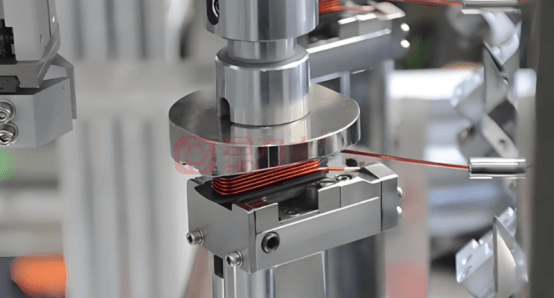
A suitable BLDC motor winding machine manufacturer should not only provide equipment but also understand the relationship between motor design, winding technology, production requirements, and quality control.
Selecting an inexperienced supplier may lead to unstable winding quality, longer commissioning periods, higher maintenance costs, and difficulties when expanding production capacity.
1. Evaluate the Supplier’s BLDC Winding Technology Expertise
The first factor to consider is whether the supplier truly understands BLDC motor winding technology.
Different BLDC motors may require different winding methods depending on their structure, performance requirements, and application scenarios. A professional manufacturer should have experience with various winding technologies, including:
Needle winding, Flyer winding, Concentrated winding, Distributed winding.
For example, automotive motors often require high consistency and continuous production capability, while humanoid robot motors may require extremely precise winding due to their compact structure and high torque density.
A qualified supplier should be able to analyze your motor design and recommend the most suitable BLDC stator winding solution, rather than simply providing a standard machine.
2. Consider Customization Capability
Unlike standard industrial equipment, BLDC motor winding machines often require customization based on specific motor designs.
Before selecting a supplier, manufacturers should evaluate whether the company can support:
Different stator sizes and structures, Various wire diameters, Customized winding patterns, Different production volumes and future product upgrades.
A reliable BLDC motor winding machine supplier should have both mechanical engineering and process development capabilities. This ensures that the equipment can adapt to current production needs while remaining flexible for future motor platforms.
For companies developing new-generation motors, especially in EVs and robotics, customization capability is often more important than selecting the lowest-cost equipment.
3. Check Automation Level and Production Efficiency
Modern motor manufacturers are increasingly moving toward intelligent and automated production. Therefore, automation capability is another important factor when selecting a BLDC winding machine manufacturer.
Advanced equipment should include features such as: Automatic loading and unloading, Servo-controlled winding systems, Precise wire tension control, Automatic parameter adjustment, Online quality monitoring, Data tracking and production management.
These technologies help manufacturers achieve higher productivity, reduce operator dependency, and improve product consistency.
For high-volume applications such as automotive motors, a fully automated BLDC motor production line can significantly improve manufacturing efficiency and reduce production risks.
4. Review Quality Control and Manufacturing Capability
A professional supplier should focus not only on machine operation but also on overall process stability.
When evaluating a manufacturer, customers should consider whether the equipment supports: Winding process monitoring, Defect detection, Traceability systems, Electrical testing integration, and MES connectivity.
For automotive applications, especially those supplied to OEM and Tier 1 customers, stable quality control is essential because even small variations in the winding process can affect motor performance and reliability.
Therefore, choosing a supplier with experience in automotive-grade manufacturing equipment can reduce quality risks during mass production.
5. Select a Supplier With Relevant Industry Experience
Different industries have different requirements for BLDC motors. A supplier’s application experience is an important reference when making a purchasing decision.
In the automotive industry, BLDC motors are widely used in: EPS motors, Seat adjustment motors, Cooling fan motors, HVAC motors, Oil pump motors, Water pump motors, and brake system motors.
Automotive manufacturers typically require high automation, stable cycle time, strict quality control, and production traceability.
Humanoid robots require compact and high-performance motors with excellent precision. BLDC winding equipment is used for: Joint motors, Frameless torque motors, Servo motors.
These applications require advanced winding control to achieve high torque density and reliable operation.
Medical equipment motors require excellent consistency and reliability. BLDC winding solutions are commonly used for: Surgical equipment motors, Medical pump motors, Precision drive systems, Aerospace Applications.
Aerospace and drone applications require lightweight and reliable motors. High-precision winding equipment helps ensure stable motor performance under demanding operating conditions.
6. Evaluate Global Service and Technical Support
For international customers, equipment delivery is only the beginning of the cooperation.
A reliable motor winding equipment supplier should provide comprehensive support, including: Equipment installation, Production commissioning, Operator training, Remote technical assistance
Spare parts supply, Process optimization support.
Especially for overseas factories, local service capability can significantly reduce production downtime and improve project implementation efficiency.
Why Choose HONEST Automation as Your BLDC Motor Winding Machine Supplier?
HONEST Automation specializes in intelligent motor manufacturing equipment and provides customized BLDC motor winding machines, stator assembly equipment, and complete motor production solutions.
With extensive experience in motor automation, HONEST Automation supports manufacturers from initial process evaluation to mass production implementation.
The company’s solutions are applied in multiple industries, including: Automotive motors, Humanoid robot motors, Medical motors, Aerospace motors.
For automotive customers, HONEST Automation provides automated production solutions for various motor applications, including EPS motors, seat motors, fan motors, and pump motors.
Beyond equipment manufacturing, HONEST Automation provides engineering support, installation, commissioning, training, and overseas technical services to help customers achieve stable and efficient production.
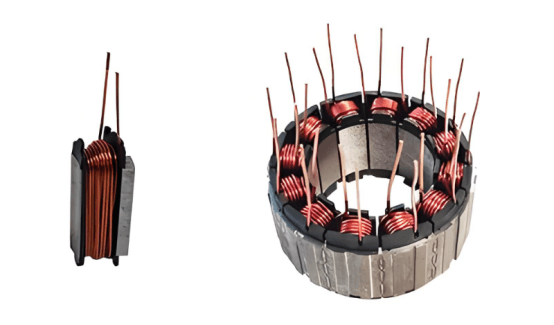
Common Mistakes When Selecting a BLDC Motor Winding Machine Manufacturer
Choosing Only Based on Equipment Price
The lowest initial investment does not always mean the lowest total cost. Machine reliability, maintenance requirements, and production efficiency should also be considered.
Ignoring Future Production Expansion
Motor platforms are continuously evolving. Choosing equipment with limited flexibility may create challenges when introducing new motor models.
Overlooking After-Sales Support
For global manufacturers, technical response time and spare parts availability are critical factors that directly affect production continuity.
Frequently Asked Questions
1. What should I consider before buying a BLDC motor winding machine?
Manufacturers should evaluate winding technology, motor compatibility, automation level, customization capability, and after-sales support before making a decision.
2. Can one BLDC motor winding machine produce different stator models?
Many advanced machines support multiple product models through programmable settings and customized tooling systems.
3. Does a BLDC motor winding machine manufacturer provide overseas installation?
Professional suppliers usually provide installation, commissioning, training, and technical support for international projects.
4. What industries use BLDC motor winding machines?
BLDC winding machines are widely used in automotive, robotics, medical, aerospace, industrial automation, and consumer product industries.
Choosing the right BLDC motor winding machine manufacturer is an important decision for companies looking to improve motor production efficiency and product quality. The ideal supplier should combine technical expertise, customization capability, automation experience, and global service support.
For manufacturers developing advanced BLDC motors in automotive, humanoid robotics, medical, and aerospace applications, HONEST Automation provides customized winding and motor production solutions designed to support reliable and scalable manufacturing.
Need a Customized BLDC Motor Winding Solution?
Contact HONEST Automation to discuss your motor requirements, production goals, and automation needs. Our engineering team can help evaluate your application and develop a suitable BLDC winding solution for your manufacturing process.