When developing a new motor, manufacturers often need only a small number of samples to evaluate the design and verify whether it can be manufactured as intended.
So why can motor prototyping still be expensive, even when only a few units are required?
The reason is that prototyping is not simply a scaled-down version of mass production. Particularly when new motor structures or manufacturing processes are involved, even a small number of samples can require substantial engineering work, tooling preparation, and repeated process trials.
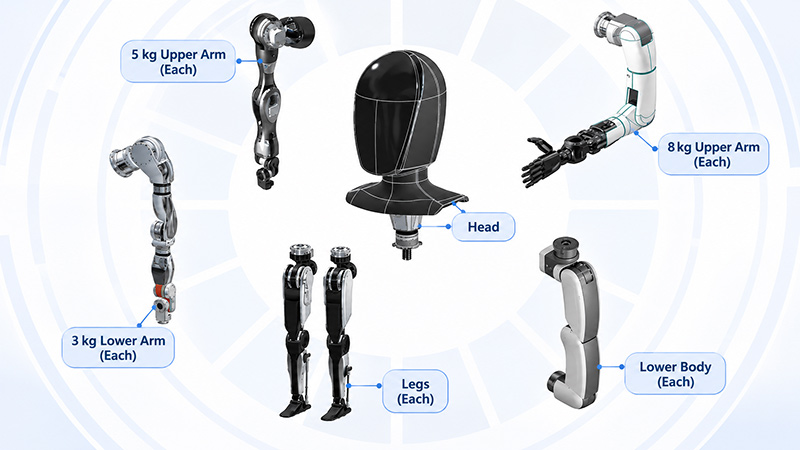
1. What Makes Motor Prototyping Costly?
From EV motors to humanoid robot joint motors, turning a new design into a manufacturable product involves more than simply following technical drawings.
Unlike established mass-production processes, prototype development often requires new manufacturing methods to be explored and validated. Several factors contribute to the overall cost.
Before manufacturing begins, engineers need to assess product drawings, component structures, materials, and technical requirements. Potential assembly and manufacturing challenges must be identified in advance.
Special-purpose tooling and fixtures may need to be designed and manufactured for specific components or assembly operations. These costs remain largely the same whether the project requires a few samples or a larger quantity.
Key operations such as stator winding, welding, magnet installation, and press-fitting may require multiple trials to determine suitable process methods and parameters.
Prototype development involves engineering, machining, assembly, inspection, and testing resources. These activities all contribute to the overall project cost.
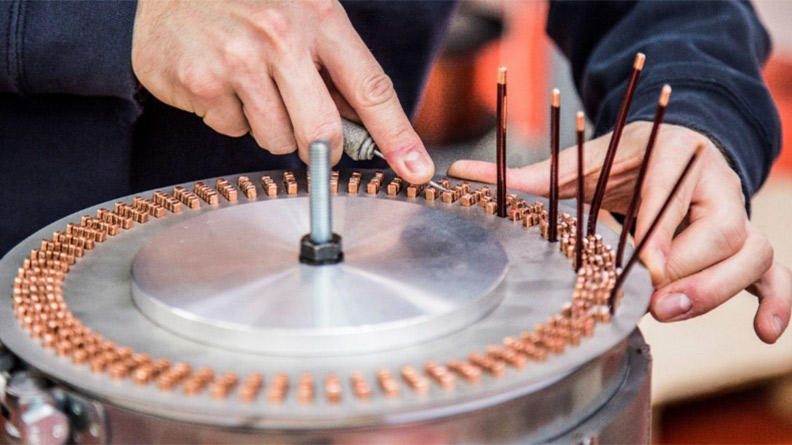
The first trial may reveal problems with component fit, assembly accuracy, or manufacturing feasibility. Engineers then need to analyse the results, make adjustments, and carry out further trials.
This explains why the cost per prototype can be relatively high. Unlike mass production, initial engineering and preparation costs cannot be spread across thousands of units.
The cost covers not only the prototype samples themselves, but also the engineering services and validation work included in the agreed project scope.
2. What If a Prototype Does Not Pass the Initial Trial?
An unsuccessful trial does not necessarily mean wasted investment.
Identifying why a prototype fails can help uncover design limitations, process problems, or potential assembly risks. Documented trial results, identified issues, and validation conclusions provide useful input for design revisions and subsequent manufacturing development.
However, a higher prototyping cost does not necessarily mean greater value.
To make the most of the investment, customers and suppliers should agree on the project scope in advance, including:
Prototype validation objectives
The number of samples required
The agreed number of trial and adjustment rounds
Engineering services and expected deliverables
It is also important to distinguish prototype validation from mass-production readiness. A motor that can be successfully assembled at the prototype stage may still require further process validation before stable production can begin.
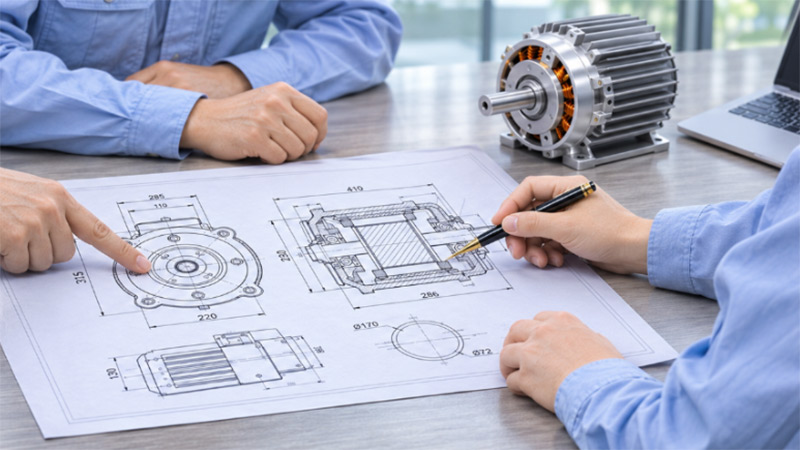
3. How Does HONEST Automation Support Motor Prototyping?
HONEST Automation provides motor manufacturing automation equipment and turnkey production line solutions.
With experience in processes including stator winding, welding, magnet assembly, stator and rotor assembly, and motor final assembly, we can support customers with prototype trials, manufacturing process validation, and technical coordination based on project requirements.
Our engineering approach also considers process integration, quality control, and automation feasibility, helping customers evaluate how validated manufacturing processes can be carried forward into equipment development and production line planning.
For standalone prototyping projects, costs are assessed according to the engineering scope, technical complexity, and resources required.
Where there is a clearly defined plan for subsequent equipment or turnkey production line cooperation, prototyping fees may be reduced or waived by mutual agreement, subject to the agreed project conditions.
Motor prototyping is an important step between product design and manufacturing. Its real value lies in identifying potential problems early, validating manufacturing processes, and preparing for the next stage of production.