The automotive industry is rapidly moving toward electric mobility. As demand for electric vehicles (EVs) grows, manufacturers need reliable and efficient production systems to meet increasing market requirements. Investing in the right automotive motor manufacturing equipment is no longer optional. It is essential for producing high-quality motors at scale.
Modern automotive motors require precision at every production stage. Instead of using standalone machines, manufacturers now rely on complete automated production systems that improve efficiency, product consistency, and traceability.
This guide explains the complete manufacturing process and the equipment required for mass production.
Why Modern Motor Manufacturing Requires Complete Production Systems
Automotive motors must meet strict quality standards. Every component must be manufactured with high precision to ensure reliable performance throughout the vehicle's lifetime.
A complete electric motor production line connects every manufacturing process into one intelligent system. This reduces manual handling, improves production efficiency, and ensures consistent product quality.
Instead of purchasing individual machines separately, manufacturers should invest in integrated production solutions that support automation, quality control, and future production expansion.
Component Preparation
Every automotive motor starts with high-quality components. Before assembly begins, manufacturers prepare and inspect essential parts such as:
· Stator cores
· Rotor cores
· Motor shafts
· Bearings
· Housings
· Magnets
· End covers
· Connectors
Automatic feeding systems and intelligent inspection equipment ensure every component meets production specifications before entering the assembly process.
This stage helps reduce defects later in the production cycle.
Stator Manufacturing
The stator is one of the most important parts of an electric motor. Its manufacturing process directly affects motor efficiency and performance.
Modern automotive motor manufacturing equipment automates stator production to improve precision and productivity.
Typical stator manufacturing processes include:
· Core stacking
· Core pressing
· Insulation insertion
· Slot inspection
· Dimension verification
Automated handling systems also reduce manual labor and improve production consistency.
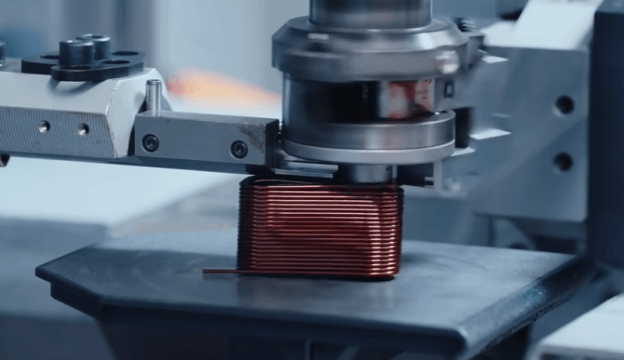
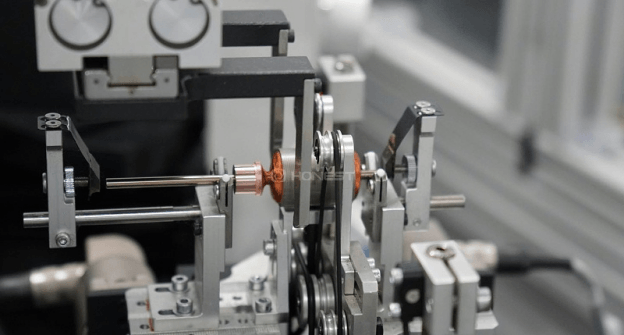
Winding Process
The winding process is one of the most critical stages in motor manufacturing. Accurate winding improves electrical performance, reduces energy loss, and increases motor reliability.
Today's electric motor production line uses automated winding machines capable of producing high-quality windings with excellent repeatability.
The winding process may include:
· Hairpin winding
· Needle winding
· Flyer winding
· Coil insertion
· Wire forming
· Terminal welding
· Insulation testing
Automated winding equipment delivers higher production speed while maintaining consistent winding quality.
Rotor Assembly
Rotor assembly requires high precision because even small alignment errors can affect motor performance. Modern motor assembly equipment automates every assembly step to ensure accuracy and repeatability.
Typical rotor assembly processes include:
· Shaft press fitting
· Magnet installation
· Rotor balancing
· Bearing assembly
· Adhesive dispensing
· Precision inspection
Servo-controlled equipment and machine vision systems help improve assembly accuracy while reducing production errors.
Housing Assembly
Once the stator and rotor are completed, they move to the final motor assembly stage. Automated assembly systems perform several operations, including:
· Stator and rotor assembly
· Housing installation
· End cover assembly
· Screw tightening
· Seal installation
· Laser marking
· Product identification
A complete automotive motor manufacturing equipment solution ensures every assembly process follows the required quality standards. Automatic torque monitoring and vision inspection further improve production reliability.
End-of-Line Testing
Every automotive motor should be tested before leaving the production line. End-of-line testing verifies that each motor meets performance and safety requirements.
A modern electric motor production line usually includes:
· Electrical testing
· Insulation resistance testing
· High-voltage testing
· Torque testing
· Noise testing
· Vibration testing
· Speed testing
· Functional testing
Testing data is automatically recorded for product traceability and quality management. This helps manufacturers quickly identify production issues and maintain automotive-grade quality.
MES Integration for Intelligent Manufacturing
Smart factories require more than automated machines. Manufacturing Execution System (MES) integration allows manufacturers to monitor every production process in real time.
MES integration offers several benefits:
· Real-time production monitoring
· Equipment status tracking
· Production scheduling
· Product traceability
· Quality data collection
· Performance analysis
· Predictive maintenance
Combining motor assembly equipment with MES creates an intelligent manufacturing environment that supports Industry 4.0 and improves overall factory efficiency.
Why Integrated Automation Is Better Than Individual Machines
Many manufacturers begin by purchasing separate machines for different production processes. However, this often creates communication problems, manual material handling, and inconsistent production.
A complete electric motor production line integrates every manufacturing stage into one automated system.
The advantages include:
· Higher production efficiency
· Reduced labor costs
· Better product consistency
· Faster production cycles
· Real-time production monitoring
· Easier maintenance
· Higher equipment utilization
· Lower operating costs
Integrated automation provides a stronger foundation for long-term production growth.
Why Manufacturers Choose HONEST Automation
Selecting the right automation partner is just as important as selecting the right equipment. HONEST Automation specializes in customized automotive motor manufacturing equipment for automotive parts manufacturers and electric motor producers worldwide.
The company provides complete production solutions covering:
· Stator winding machines
· Rotor manufacturing equipment
· Motor assembly equipment
· Automated testing systems
· Complete electric motor production lines
· Intelligent manufacturing systems
· Production line integration
Rather than supplying individual machines, HONEST Automation develops customized automation solutions based on each customer's production requirements.
Its engineering team supports customers from equipment design to installation, commissioning, operator training, and on-site production support, helping manufacturers achieve stable, high-volume, automotive-grade production.
Final Thoughts
Modern automotive motor production requires much more than individual machines. To achieve automotive-grade quality, manufacturers need complete automated production systems that connect every manufacturing stage into one efficient workflow.
From component preparation and stator manufacturing to winding, rotor assembly, housing assembly, end-of-line testing, and MES integration, every process contributes to motor quality and production efficiency.
By investing in integrated automotive motor manufacturing equipment, manufacturers can improve productivity, reduce operating costs, ensure product consistency, and build a scalable production system that supports future growth in the electric vehicle industry.
Frequently Asked Questions (FAQs)
1. What is automotive motor manufacturing equipment?
Automotive motor manufacturing equipment includes the machines and automated systems used to produce electric motors for vehicles. These systems cover the complete manufacturing process, including stator production, winding, rotor assembly, final motor assembly, testing, and quality inspection.
2. Why is a complete electric motor production line better than individual machines?
A complete electric motor production line connects every manufacturing process into one automated system. This improves production efficiency, reduces manual handling, ensures consistent product quality, enables real-time production monitoring, and lowers overall operating costs.
3. What machines are included in motor assembly equipment?
Typical motor assembly equipment includes shaft press-fitting machines, rotor assembly machines, stator-rotor assembly stations, automatic screw tightening systems, adhesive dispensing machines, laser marking equipment, and end-of-line testing systems.
4. How does MES integration improve motor manufacturing?
MES (Manufacturing Execution System) integration helps manufacturers monitor production in real time, collect quality data, track product traceability, optimize production schedules, and improve equipment performance. It supports smart manufacturing and Industry 4.0 initiatives.
5. Why choose HONEST Automation for automotive motor production solutions?
HONEST Automation specializes in customized automotive motor manufacturing equipment for global automotive parts manufacturers and motor producers. The company provides complete solutions covering winding, assembly, testing, intelligent manufacturing systems, overseas installation, commissioning, operator training, and on-site production support for efficient mass production.