Humanoid robots require compact, lightweight, and highly efficient motors to perform precise movements. Coreless motors have become a popular choice because of their low inertia, fast response, and excellent motion control.
They are widely used in robotic hands, dexterous grippers, precision joints, and other applications where smooth and accurate movement is essential.
As the robotics industry continues to grow, manufacturers need reliable coreless motor manufacturing solutions that support both high product quality and large-scale production. Traditional manual manufacturing methods often struggle to maintain consistency and production efficiency.
Modern automation overcomes these challenges by combining precision equipment, intelligent inspection, and automated assembly into one integrated production system.
A complete manufacturing process connects every stage, from component preparation and coil winding to final assembly and quality testing. This approach improves production efficiency while ensuring every motor meets strict performance requirements.
This guide explains the complete manufacturing process and the automation technologies used to produce high-quality coreless motors for humanoid robot applications.
Why Coreless Motors Are Used in Humanoid Robots
Coreless motors offer several advantages over traditional motors. Their lightweight design and low rotor inertia allow faster acceleration, smoother motion, and more accurate control. These characteristics make them ideal for robotic systems that require quick and precise movement.
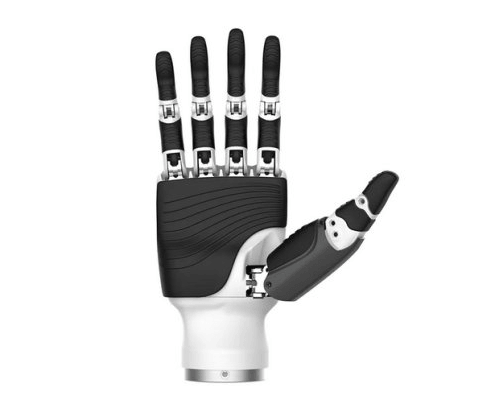
A humanoid robot hand motor, for example, must perform delicate tasks such as gripping, picking, and positioning small objects. These applications require motors that respond instantly while maintaining stable performance.
As production demand increases, manufacturers need automated production systems that can consistently produce motors with the required precision and reliability.
Component Preparation
Every high-quality motor begins with carefully prepared components. Before assembly starts, each part is inspected to ensure it meets production specifications.
Key Components Include
A typical production process prepares:
· Copper wire
· Motor shafts
· Permanent magnets
· Bearings
· Housings
· Commutators
· Connectors
· End caps
Automatic feeding systems transport components to different workstations while machine vision systems inspect dimensions and surface quality before production begins.
Early inspection helps reduce defects and improves manufacturing efficiency throughout the production process.
Coreless Motor Winding Process
The winding process is one of the most important stages of coreless motor manufacturing. Coil quality directly affects motor efficiency, speed, torque, and overall reliability.
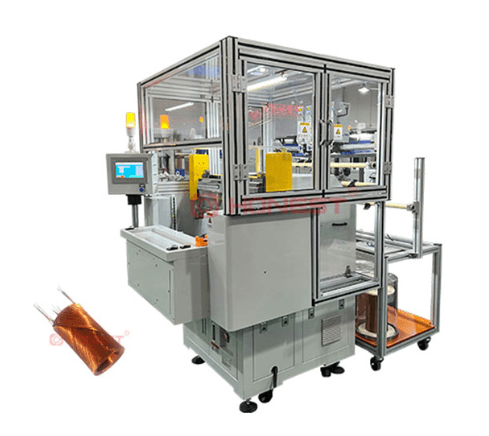
Modern coreless motor winding machine technology uses servo-controlled systems to maintain precise wire tension and accurate coil positioning during production.
Typical Winding Operations
The winding process generally includes:
· Automatic wire feeding
· Precision coil winding
· Wire tension control
· Coil forming
· Terminal connection
· Coil inspection
Automated winding machines improve production speed while maintaining excellent winding consistency across every motor produced.
Miniature Motor Assembly Line
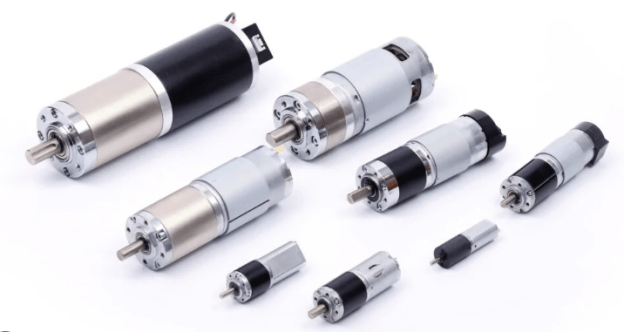
After winding is completed, components move to the miniature motor assembly line for final assembly.
Modern production lines integrate multiple manufacturing operations into one continuous workflow. Automated handling systems transfer components between workstations while intelligent assembly equipment performs each process with high precision.
Typical Assembly Operations
The assembly process usually includes:
· Shaft installation
· Bearing fitting
· Magnet assembly
· Rotor installation
· Housing assembly
· Precision screw tightening
· Adhesive dispensing
· Laser marking
Integrated automation reduces manual handling, improves production consistency, and increases manufacturing efficiency.
Precision Motor Automation
As motor designs become smaller and more complex, manufacturers require higher assembly accuracy than ever before. Manual production methods often struggle to meet these demanding requirements.
Modern precision motor automation combines robotics, servo systems, machine vision, and intelligent sensors to improve manufacturing precision throughout every production stage.
These technologies reduce production variation while helping manufacturers achieve stable quality and higher production capacity.
End-of-Line Testing and Quality Inspection
Every coreless motor should be tested before leaving the production line. End-of-line testing ensures that each motor meets the required electrical and mechanical specifications before shipment. This step helps manufacturers deliver reliable products while reducing quality issues in the field.
Modern testing systems automatically measure motor performance and record production data for complete product traceability.
Typical Testing Processes
A comprehensive testing system usually includes:
· Electrical performance testing
· Speed testing
· Torque testing
· Noise testing
· Vibration analysis
· Current and voltage testing
· Functional testing
· Final visual inspection
Automated testing improves product consistency and ensures only qualified motors proceed to packaging.
Quality Control Throughout the Manufacturing Process
Quality control should be applied at every stage of production, not only during final inspection. A comprehensive quality management system helps manufacturers identify defects early, reducing waste and improving production efficiency.
Modern production lines use machine vision systems, precision sensors, and intelligent monitoring equipment to inspect component positioning, assembly accuracy, and product dimensions in real time.
By continuously monitoring production quality, manufacturers can maintain stable performance while reducing manual inspection requirements.
Smart Manufacturing and Product Traceability
Today's manufacturing facilities rely on digital technologies to improve productivity and quality management. Smart manufacturing systems collect production data from every workstation and store it for future analysis.
Information such as assembly parameters, inspection results, testing records, and equipment status is automatically linked to each motor. This complete traceability allows manufacturers to identify production issues quickly and continuously optimize manufacturing processes.
Digital production management also supports predictive maintenance, production scheduling, and equipment performance monitoring, helping manufacturers increase overall factory efficiency.
Benefits of Precision Motor Automation
As demand for miniature motors continues to grow, manufacturers require production systems that can deliver both speed and accuracy. Automated manufacturing provides a reliable solution by connecting winding, assembly, inspection, and testing into one integrated workflow.
The advantages of precision motor automation include:
· Higher production efficiency
· Improved product consistency
· Reduced manual labor
· Faster production cycles
· Lower manufacturing costs
· Better product traceability
· Easier production expansion
An integrated automation system provides the flexibility needed to support future production growth while maintaining stable product quality.
Automation Solutions for Miniature Motor Production
Choosing the right automation partner is essential for manufacturers developing miniature motors for advanced robotic applications. A supplier with expertise in precision motor production can provide customized solutions that improve manufacturing efficiency and product reliability.
HONEST Automation provides precision winding and assembly equipment for miniature motors, supporting manufacturers developing motors for robotics, medical devices, and automation applications.
HONEST Automation is a global supplier of turnkey motor and robotic component manufacturing automation solutions, providing automated production equipment for BLDC motors, coreless motors, frameless torque motors, robot actuators, and precision robotic components.
With advanced automation technologies and scalable production systems, manufacturers can increase output while maintaining the high precision required for modern robotic applications.
Final Thoughts
The coreless motor manufacturing process combines precision winding, automated assembly, intelligent inspection, and comprehensive testing to produce reliable motors for advanced robotics.
By investing in a modern miniature motor assembly line and precision motor automation, manufacturers can improve product quality, increase production efficiency, and support the growing demand for humanoid robot hand motor applications.
Frequently Asked Questions (FAQs)
1. What is coreless motor manufacturing?
Coreless motor manufacturing is the process of producing lightweight, high-performance motors through precision winding, automated assembly, quality inspection, and end-of-line testing for applications requiring accurate motion control.
2. Why is a coreless motor winding machine important?
A coreless motor winding machine ensures precise wire placement, consistent winding quality, and higher production efficiency while reducing manual errors and improving motor performance.
3. What is included in a miniature motor assembly line?
A modern miniature motor assembly line typically includes shaft installation, bearing fitting, magnet assembly, rotor installation, housing assembly, laser marking, automated inspection, and functional testing.
4. Why are coreless motors used as humanoid robot hand motors?
A humanoid robot hand motor requires fast response, low inertia, compact size, and precise motion control. Coreless motors provide these characteristics, making them ideal for robotic hands and other precision robotic mechanisms.
5. How does precision motor automation improve manufacturing?
Precision motor automation integrates winding, assembly, inspection, testing, and digital production management into one intelligent system. This improves product consistency, increases production efficiency, reduces manufacturing costs, and supports high-volume production.