As motor manufacturers expand into new markets, their production operations are becoming more geographically distributed. A project might involve an automation supplier in China, a manufacturing plant in India, and engineering teams working across several countries.
This changing landscape is bringing new challenges to motor automation projects. Beyond equipment quality and technical performance, successful project delivery increasingly depends on how well different teams work together.
At HONEST Automation, we understand that serving overseas customers means looking beyond equipment manufacturing. It takes clear communication, well-managed project execution, and dependable support to bring an automation project from the initial planning stage to the production floor.
1. Getting Technical Requirements Right from the Start
Every motor manufacturing project begins with a set of production requirements. However, when customers and equipment suppliers are based in different countries, getting everyone on the same page can take additional effort.
Differences in manufacturing processes, factory layouts, equipment expectations, and production targets all need to be clearly understood before a project moves forward.
That is why understanding the customer's production needs is an important first step. Through process analysis, equipment selection, and production planning, the team works to develop automation solutions that match the customer's motor specifications and manufacturing conditions.
Getting these details right at the outset helps avoid unnecessary revisions and provides a clearer direction for equipment development.
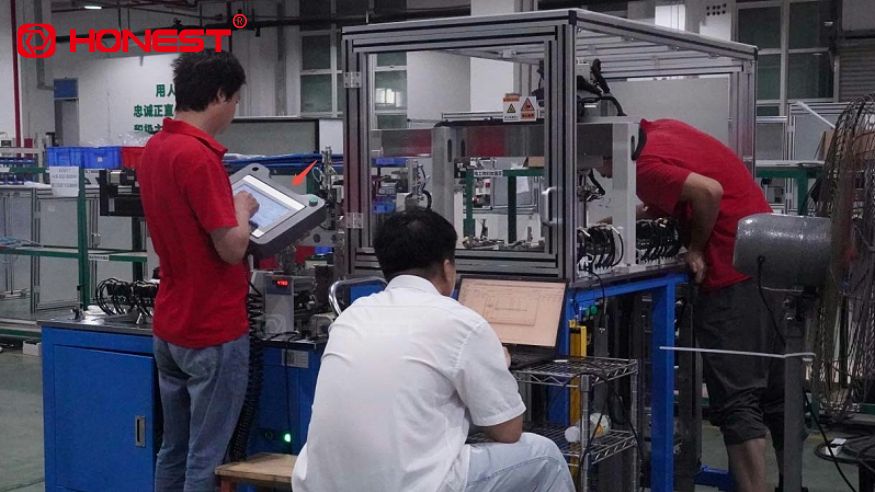
2. Keeping Every Stage of the Project on Track
Delivering equipment is only one milestone in a motor automation project. Before a production line is ready for operation, several stages must come together, including equipment manufacturing, system integration, factory preparation, installation, and commissioning.
When these activities are handled by teams in different locations, keeping the project on schedule requires close coordination.
A turnkey approach helps connect these stages rather than treating each one as a separate task. From the initial production plan to on-site commissioning, engineering teams and customer representatives need to stay aligned on technical requirements, project progress, and implementation priorities.
Ultimately, the measure of a successful project is not just whether the equipment arrives on time, but whether it is properly integrated and ready to support production.
3. Bringing Different Teams Together
A motor automation project rarely involves just one department. Production teams understand day-to-day manufacturing needs, engineers focus on technical requirements, and automation suppliers are responsible for equipment development and integration.
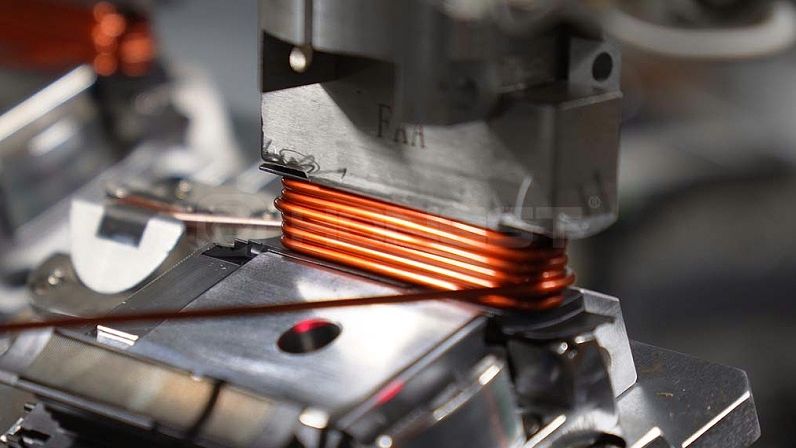
Each team brings a different perspective, but their work needs to come together to keep the project moving.
This becomes particularly important when technical adjustments are needed during installation or commissioning. Timely feedback, clear communication, and practical problem-solving help ensure that issues are addressed without creating unnecessary delays.
For projects involving multiple manufacturing processes or integrated production lines, this level of collaboration is especially valuable.
4. Local Support Makes a Difference on the Ground
Remote communication can resolve many technical questions, but some challenges are best addressed directly at the customer's facility.
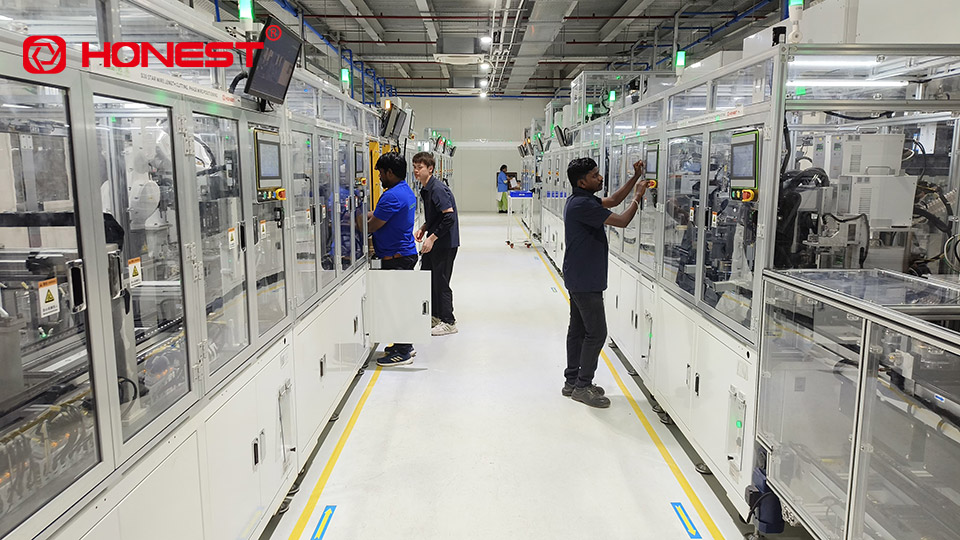
Installation, commissioning, equipment adjustments, and early-stage production support often require timely on-site assistance. For overseas customers, having access to local service resources can make these processes more efficient.
To meet these needs, HONEST Automation is continuing to strengthen its overseas service capabilities, including local support resources in markets such as India.
By bringing together local customer-facing support and technical resources in China, the company aims to provide more responsive assistance throughout project implementation and after-sales service.
The result is a closer connection between the equipment supplier and the customer's manufacturing operations, even when they are thousands of miles apart.
Working Together Across Markets
As motor manufacturing continues to expand globally, automation suppliers need to offer more than reliable equipment. Customers also need partners who can understand their production requirements, manage complex project processes, and provide support when it matters.
With experience in brushed DC motor, BLDC motor, and new energy vehicle drive motor manufacturing automation, HONEST Automation continues to work with customers across international markets, connecting its manufacturing capabilities in China with the needs of production facilities worldwide.
Ultimately, successful global collaboration comes down to one thing: making sure that distance does not become a barrier to getting the job done. From technical discussions to equipment commissioning and ongoing service, every stage plays a part in turning an automation plan into a working production operation.