Humanoid robots require highly precise motion to perform tasks accurately and efficiently. One of the most important components that enables this precision is the harmonic reducer. It delivers high torque, excellent positioning accuracy, and smooth motion in a compact design.
Because of these advantages, harmonic reducers are widely used in robotic joints, robotic arms, and other precision motion systems.
As the humanoid robotics industry continues to grow, manufacturers need reliable production systems that can produce harmonic reducers with consistent quality. Traditional assembly methods depend heavily on skilled operators and manual inspection. While these methods may be suitable for low-volume production, they often struggle to support large-scale manufacturing.
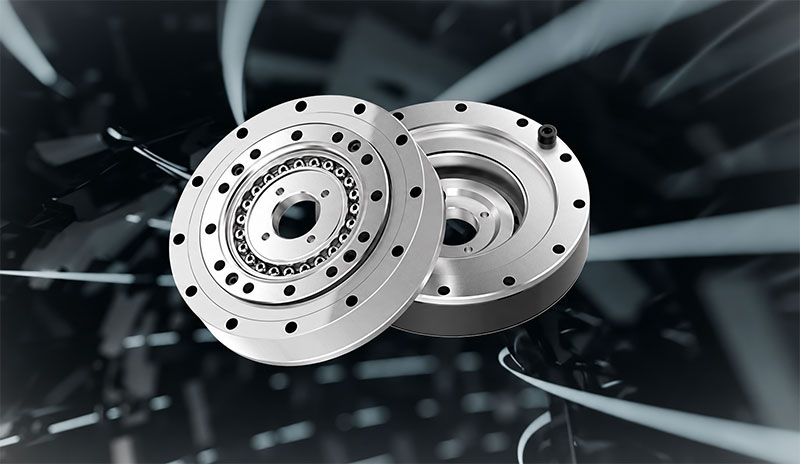
Modern harmonic reducer assembly automation solves these challenges by integrating precision assembly, intelligent inspection, automated testing, and digital production management into one manufacturing system. This approach improves production efficiency while maintaining the high accuracy required for robotic applications.
This guide explains how manufacturers can automate harmonic reducer assembly and build efficient production systems for the next generation of humanoid robots.
Why Automation Is Essential for Harmonic Reducer Assembly
A harmonic reducer consists of several precision components that must fit together perfectly. Even a slight assembly error can reduce transmission accuracy, increase wear, or shorten product life.
As production demand increases, maintaining this level of precision through manual assembly becomes difficult. Automation provides a practical solution by reducing manual operations and improving process consistency.
A modern automation system helps manufacturers:
· Improve assembly accuracy
· Increase production efficiency
· Reduce manual errors
· Lower production costs
· Improve product consistency
· Support large-scale manufacturing
By integrating every manufacturing stage into one workflow, manufacturers can achieve stable production while maintaining strict quality standards.
Key Components of a Harmonic Reducer
Before assembly begins, every component must be prepared and inspected to ensure it meets design specifications.
Main Components Include
A harmonic reducer typically consists of:
· Flexspline
· Circular spline
· Wave generator
· Bearings
· Output flange
· Fasteners
· Seals
· Housing components
Automatic feeding systems transport these parts to different workstations, while machine vision systems inspect dimensions and surface quality before assembly begins.
Early inspection helps reduce production defects and improves manufacturing efficiency.
Strain Wave Gearbox Manufacturing
Modern strain wave gearbox manufacturing requires extremely high precision throughout every production stage. Since the flexspline continuously deforms during operation, even small dimensional errors can affect gearbox performance and service life.
Automated manufacturing equipment ensures accurate component positioning while maintaining consistent assembly quality.
Typical Manufacturing Processes
The production process generally includes:
· Component preparation
· Precision cleaning
· Bearing installation
· Flexspline assembly
· Wave generator installation
· Gear alignment
· Fastener tightening
Each process is carefully monitored to maintain tight tolerances and stable manufacturing quality.
Robot Gearbox Assembly Line
A modern robot gearbox assembly line combines multiple assembly processes into one continuous production workflow. Automated handling systems transfer components between workstations, reducing manual intervention and improving production efficiency.
Typical Assembly Operations
The assembly line commonly performs:
· Component feeding
· Precision positioning
· Bearing fitting
· Gear alignment
· Screw tightening
· Laser marking
· Vision inspection
· Initial functional testing
This integrated production system improves assembly consistency while reducing production time and manufacturing costs.
Precision Alignment During Assembly
Alignment is one of the most critical stages of harmonic reducer assembly. The flexspline, circular spline, and wave generator must be assembled with extremely high accuracy to ensure smooth operation.
Modern automation systems use servo-controlled positioning, precision fixtures, and machine vision technology to verify alignment throughout the assembly process.
Accurate alignment improves transmission efficiency, reduces vibration, and extends the service life of the reducer.
End-of-Line Testing and Quality Verification
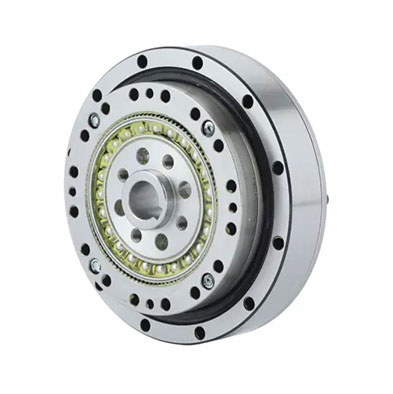
Every harmonic reducer should be tested before leaving the production line. End-of-line testing confirms that each unit meets design specifications and delivers stable performance under operating conditions. This step is essential for maintaining product quality and reducing the risk of failures in robotic applications.
Modern testing systems automatically evaluate product performance while recording manufacturing data for complete traceability.
Typical Testing Processes
A complete testing system generally includes:
· Torque testing
· Backlash measurement
· Rotation accuracy testing
· Noise testing
· Vibration analysis
· Load testing
· Functional testing
· Final visual inspection
Automated testing ensures that only qualified products move to packaging and shipment. It also helps manufacturers reduce warranty costs and improve customer confidence.
Quality Control Throughout the Production Process
Quality control should be integrated into every manufacturing stage. Inspecting products only at the end of the production line is not enough for precision robotic components.
Modern production lines use machine vision systems, precision sensors, and intelligent monitoring equipment to inspect assembly accuracy, alignment, and dimensional tolerances in real time.
Continuous quality inspection helps manufacturers identify problems early. It also reduces production waste, improves consistency, and increases overall manufacturing efficiency.
Smart Manufacturing and Product Traceability
Digital manufacturing has become an important part of modern robotic production. Smart factories collect production data from every workstation and use it to improve product quality and factory performance.
Assembly parameters, inspection results, testing records, and product serial numbers are automatically stored throughout the production process. This complete traceability allows manufacturers to quickly identify quality issues and continuously improve production performance.
Digital production management also supports predictive maintenance, equipment monitoring, and production scheduling, helping manufacturers achieve higher productivity.
Supporting Humanoid Robot Reducer Production
As robotics companies increase production capacity, they need automation systems that deliver both speed and precision. Automated manufacturing provides a reliable solution by connecting every assembly process into one intelligent workflow.
Efficient humanoid robot reducer production depends on precision assembly, intelligent inspection, automated testing, and stable manufacturing processes. These technologies help manufacturers improve product quality while meeting the growing demand for advanced robotic components.
As humanoid robots move toward mass production, precision assembly and quality inspection become critical. HONEST Automation provides customized automation solutions for precision robotic component manufacturing.
HONEST Automation is a global supplier of turnkey motor and robotic component manufacturing automation solutions, providing automated production equipment for BLDC motors, coreless motors, frameless torque motors, robot actuators, and precision robotic components.
With customized automation equipment, manufacturers can improve production efficiency, reduce manual errors, and build scalable production lines for future growth.
Benefits of Harmonic Reducer Assembly Automation
Modern harmonic reducer assembly automation offers significant advantages over traditional manufacturing methods. Instead of relying on manual assembly, manufacturers can automate every critical process while maintaining consistent quality.
Key Benefits Include
Manufacturers can achieve:
· Higher production efficiency
· Improved assembly accuracy
· Better product consistency
· Reduced labor dependency
· Faster production cycles
· Lower manufacturing costs
· Complete product traceability
· Easier production expansion
An integrated automation system provides the flexibility needed to support both current production requirements and future business growth.
Final Thoughts
Successful harmonic reducer assembly automation depends on precision equipment, intelligent inspection, and reliable quality control. By investing in a modern robot gearbox assembly line, manufacturers can improve assembly accuracy, increase production efficiency, and support the growing demand for humanoid robot reducer production.
Frequently Asked Questions (FAQs)
1. What is harmonic reducer assembly automation?
Harmonic reducer assembly automation is the process of using automated equipment to assemble, inspect, align, and test harmonic reducers with high precision and consistent quality.
2. What is a robot gearbox assembly line?
A robot gearbox assembly line is an integrated production system that automates component feeding, precision assembly, alignment, inspection, testing, and product traceability for robotic gearboxes.
3. Why is strain wave gearbox manufacturing challenging?
Strain wave gearbox manufacturing requires extremely high precision because even small assembly or alignment errors can affect transmission accuracy, efficiency, and service life.
4. Why is quality inspection important in humanoid robot reducer production?
Quality inspection ensures every reducer meets performance requirements before shipment. It improves product reliability, reduces defects, and supports consistent humanoid robot reducer production.
5. What are the benefits of automated harmonic reducer assembly?
Automated assembly improves production efficiency, maintains consistent product quality, reduces manual errors, supports complete product traceability, and enables manufacturers to scale production for the growing robotics industry.
Looking for harmonic reducer assembly equipment for humanoid robots? Leave us a message to discuss your requirements. HONEST Automation provides complete assembly equipment solutions for humanoid robots and their key components, backed by extensive experience and proven successful projects.
Tel/WhatsApp/Wechat: +8618923732990
E-mail: sales@honest-hls.com